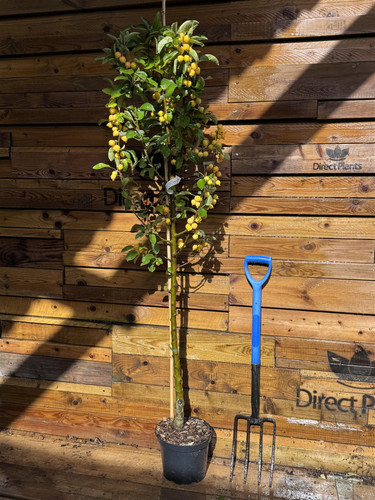




Malus trilobata is a beautiful and distinctive ornamental Crab Apple tree, supplied as a large established approximately 5–6ft tall tree in a substantial 7.5 litre pot. With its elegant upright habit, attractive foliage and beautiful spring blossom, it makes an excellent feature tree for adding immediate height and seasonal interest to the garden.
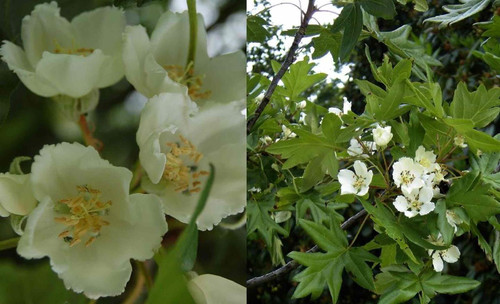
This unusual Malus is particularly admired for its attractive three-lobed, maple-like leaves, giving it a distinctive appearance compared with more traditional Crab Apple varieties. During spring, the branches are decorated with beautiful white blossom, creating a fresh seasonal display and providing valuable flowers for bees and other pollinating insects.
At approximately 5–6ft tall when supplied, these are established nursery trees offering excellent immediate height and structure. Malus trilobata develops an elegant, relatively upright form, making it an excellent choice for lawns, borders, avenues, smaller garden spaces and ornamental planting schemes.
Plant Features:
Supplied as a large established approximately 5–6ft tall tree
Established in a substantial 7.5 litre pot
Beautiful white spring blossom
Distinctive three-lobed, maple-like foliage
Elegant and naturally upright growth habit
Excellent ornamental feature tree
Provides immediate height and structure
Attractive seasonal and autumn interest
Excellent for lawns, borders and avenue-style planting
Flowers provide valuable interest for pollinating insects
Hardy and well suited to UK gardens
Deciduous with changing seasonal interest
Please note: Malus trilobata is deciduous, so trees naturally lose their foliage during autumn and winter and may arrive completely bare during the dormant season. Blossom is seasonal and cannot be guaranteed at the time of dispatch. Height, branching, foliage, flowering and overall shape will naturally vary between individual trees and according to the time of year. Plants are carefully selected before dispatch to provide strong, established 5–6ft nursery-grown trees ready for planting.