


Best Fruit Trees for UK Gardens (And How to Choose the Right One)
17th Feb 2026
We should all have at least one fruit tree in our garden. Though why you would stop at just one when you could plant a mini-orchard is beyond me. Go on. You know you want to.
But, even if you’re as keen as mustard to plant a fruit tree you need to make sure you choose the right one (or two) for your garden. And of course choosing the best fruit tree for your garden is the single most important decision you’ll make when starting to grow your own fruit.
Picking, planting, and growing the right tree will mean you’ll enjoy years of harvesting your own fruit, lovely spring blossom, and the quiet satisfaction that comes from picking your fruit straight from the tree. Get the wrong tree and you could be left with a straggling tree and having to nip down to the supermarket when you want some (not fresh) fruit.
The good news is that growing fruit trees in the UK is far easier than you may think. And the even better news is whether you’ve got a large garden, a modest lawn, or just a sunny corner, there’s a fruit tree that will suit your space.
If you’re new to growing fruit trees, or simply want to make a smarter choice this time around, this guide will help you decide which tree to plant in your garden.
(If you’re looking for a broader overview of fruit tree growing, you may also find our Our Guide to Growing Fruit Trees in the UK helpful.)
What to Consider Before Choosing a Fruit Tree
Before we get into specific trees, it’s worth stepping back and thinking about a few basics. Fruit trees aren’t complicated, but a little forward planning is never a bad idea.
Space is the big one. And of course as gardeners the size of our garden or plot always determines what we plant. Some fruit trees naturally grow large, while others are grafted onto dwarf rootstocks to keep them compact. You also need to think about height, spread, and whether you want a free-standing tree or something trained against a wall or fence.
Sunlight matters too. Most fruit trees prefer a sunny position, although many will still crop reasonably well in light shade. But generally speaking the brighter the location the better for the tree.
Finally, think about how you’ll use the fruit. Are you a keen baker? Do you want fruit for eating fresh? Or are you hoping for a bit of everything? Your answer will help narrow down the options. If you’re a pie lover you’re going to go apple rather than nut. Speaking of which.
Apple Trees – The Most Versatile Choice
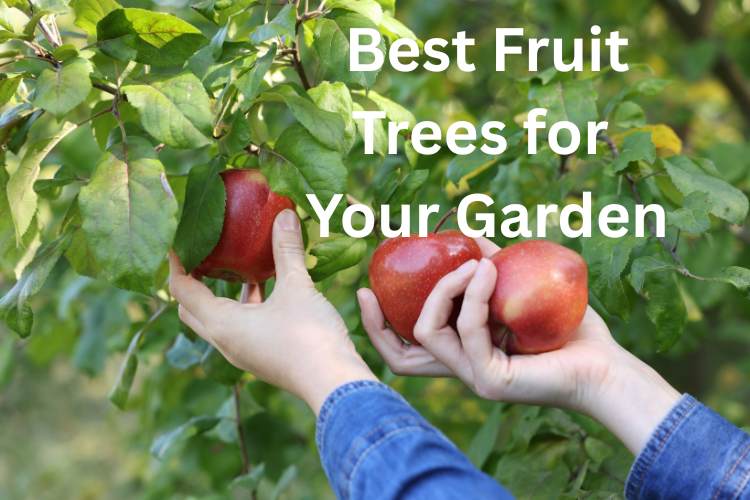
If you’re only going to plant one fruit tree, it’s hard to beat an apple. They are the most popular fruit tree in the UK for good reason. They’re adaptable, productive, and available in an enormous range of varieties and sizes.
There are apples for eating fresh, apples for cooking, apples for storing, and apples for small gardens. With dwarf and semi-dwarf options available, apple trees can be grown in gardens of almost any size, and even in large containers.
They are also a great choice for beginners. Many varieties are reliable croppers, very easy to grow, and pruning is a breeze once you get the hang of it.
You can explore the full range of apple trees here:
https://directtrees.co.uk/apple/
Pear Trees – Elegant and Surprisingly Easy to Grow
Pear trees are often overlooked, which is a shame because they are one of the most elegant and rewarding fruit trees you can grow. They tend to have a naturally upright growth habit, meaning they take up less lateral space than apples, making them ideal for smaller gardens.
Varieties like Conference are well suited to UK conditions and crop reliably even in our wet and dreary summers. Pears are also excellent candidates for training as espaliers or fans against walls and fences.
In the kitchen, pears are incredibly versatile, whether eaten fresh, poached, baked, or paired with cheese.
You can browse pear trees here:
https://directtrees.co.uk/pear/
Plum Trees – Ideal for Beginners
If you’re new to fruit trees and want something that feels almost foolproof, plum trees are an excellent place to start. They’re well known for their reliability and generous crops, often producing more fruit than you expect. And the Victoria Plum has got to be most well-known variety of fruit tree.
Plums tend to fruit earlier than apples and pears, giving you harvests in mid to late summer. Many varieties are also self-fertile, meaning you don’t need a second tree for pollination.
Plum trees are generally low maintenance and cope well with our weather, making them a great choice for first-time growers.
Take a look at our plum tree range here:
https://directtrees.co.uk/plum/
Cherry Trees – Beauty and Reward
Cherry trees earn their place in the garden twice over. In spring, they put on a spectacular display of blossom, and in early summer they reward you with some of the first fresh fruit of the year.
Modern cherry varieties are available in very compact forms making them suitable for smaller gardens as well as larger spaces. Sweet cherries are best eaten fresh, while acid cherries are excellent for cooking and preserving.
Cherries do appreciate a sunny spot, but otherwise they’re straightforward to grow with a little care and many are self-fertile.
Explore cherry trees here:
https://directtrees.co.uk/cherry/
Fig Trees – Perfect for Patios and Containers
Fig trees might feel like an unusual choice for a UK garden, but they’re actually surprisingly hardy and very well suited to container growing. In fact, figs often fruit better when their roots are slightly restricted, making them ideal for patios and courtyards.
Figs are a great option if you want something a little different and something the bloke next door won’t have.
You can see our fig trees here:
https://directtrees.co.uk/fig/
Matching Fruit Trees to Garden Size
To make things simple, here’s a quick guide:
- Small gardens and patios: Dwarf apple trees, pear trees, plums, and figs
- Medium gardens: Semi-dwarf apples and pears, plums, cherries
- Large gardens: Orchard-style apples and pears, mixed plantings for staggered harvests
If space is tight, trained forms such as espaliers, fans, and cordons allow you to grow fruit trees vertically without sacrificing productivity.
Don’t Forget Pollination
Some fruit trees are self-fertile, while others benefit from a pollination partner. In many gardens this happens naturally thanks to bees and nearby trees, but it’s worth checking before you plant.
If you’re unsure, choosing self-fertile varieties or planting two compatible trees is the safest approach.
Final Thoughts
The best fruit trees for UK gardens are the ones that suit your space but pears, plums, cherries, and figs all thrive when matched to the right setting.
If you’re still unsure where to start, Our Guide to Growing Fruit Trees in the UK walks through the basics of planting, care, and long-term success in more detail.
Fruit trees are one of the most rewarding additions you can make to a garden. Browse the full range of fruit trees here:
https://directtrees.co.uk/fruit-trees/